

If you’re buying an e-bike in the U.S. and safety is a priority, UL-certified e-bikes should be at the top of your list. The UL 2849 standard covers the entire electrical system, not just the battery, and that distinction matters for daily commuters, cargo haulers, fleet buyers, and anyone riding with kids. Here are three strong starting points from Quality Quest Bikes:
FIIDO C11 Pro — perfect for family cargo journeys and everyday commuting; equipped with a spacious longtail platform for larger loads, driven by a powerful 500W motor for better performance and extended range.
FUCARE Libra Full Suspension Cargo Bike — best for heavier loads and longer hauls; 960Wh battery with full suspension
Tiniover River Electric Trike (48V 750W) — best for stability-focused riders and mixed terrain; available in white or red
Pro Tip: Before you finalize any purchase, look for the UL mark on the frame, battery, and charger. Then ask the seller for the certificate file number or Certificate of Authenticity (COA) and confirm the certifying lab is an OSHA-recognized Nationally Recognized Testing Laboratory (NRTL) in the UL or OSHA NRTL database.
UL 2849 is the system-level standard that matters most for U.S. e-bike buyers: it tests the battery, motor, controller, wiring, and charger together, and a device fails if any abuse test produces fire, rupture, or leakage.
How do you choose the right UL-certified e-bike for your needs?
What do UL 2849 and UL 2271 actually test, and how do you verify them?
Quality Quest Bikes carries certified options you can verify before you buy
Shopping for certified electric bicycles is easier when you know what each model is built for. Below is a focused look at every model Quality Quest Bikes carries in this category, with the specs and context you need to compare them quickly.
FIIDO C11 Pro Commuter E-Bike 500W 16MPH
The FIIDO C11 Pro is a versatile commuter e-bike equipped with a 500W motor, capable of reaching speeds up to 16 miles per hour. Its lightweight and compact design make it ideal for city commuting and short trips, while the durable frame ensures stability and comfort. UL2271/UL2849 Certification

FUCARE Libra Full Suspension Electric Cargo Bike 48V 960Wh
The FUCARE Libra stands out for its 960Wh battery capacity, which supports longer hauls and heavier payloads without range anxiety. Full suspension adds real comfort when you’re carrying groceries, tools, or a child seat over uneven pavement. Request the UL certificate file number from the seller before checkout. UL2271/UL2849 Certification

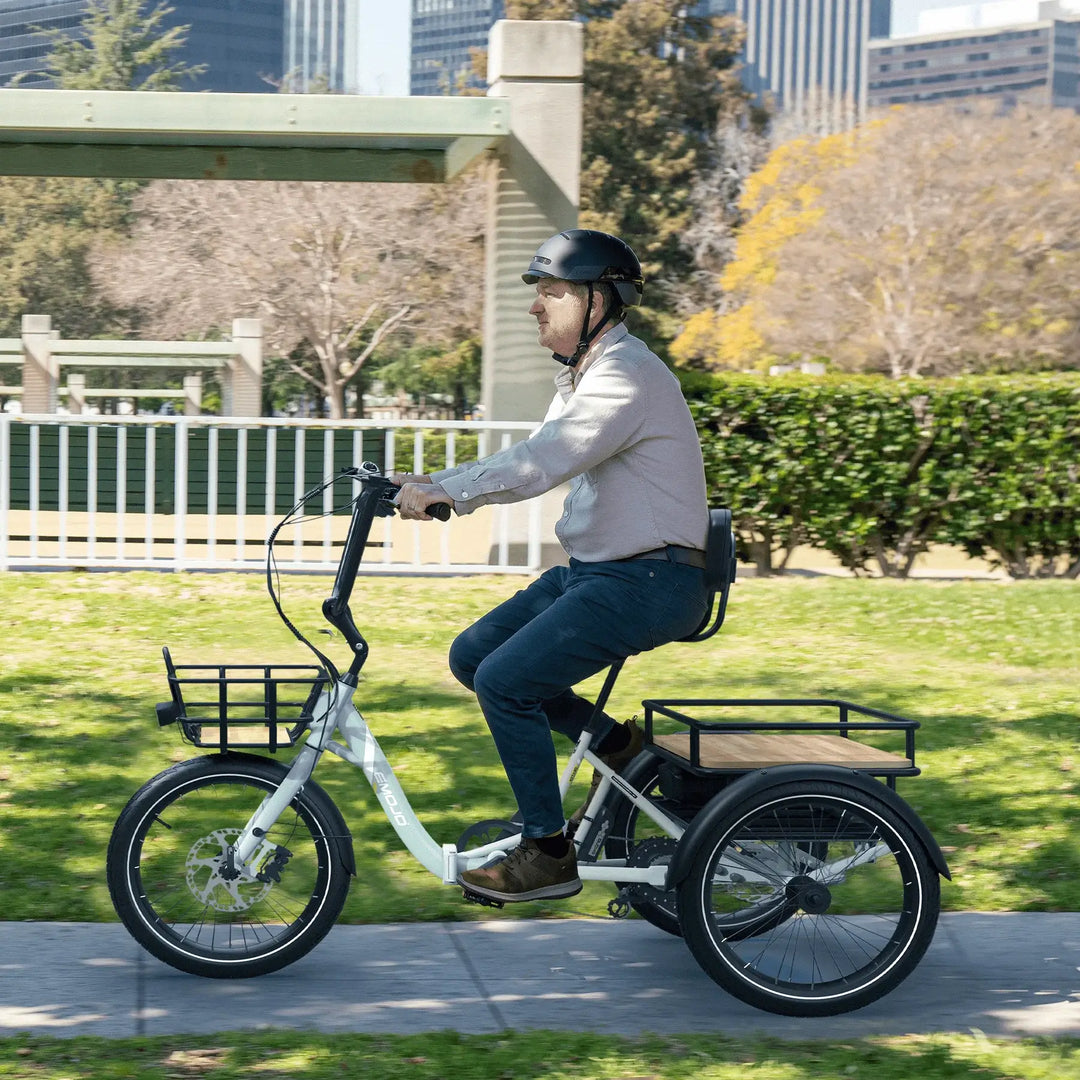
EMOJO Dexter Electric Trike 48V/14Ah 500W 20 MPH
Three-wheel stability makes the EMOJO Dexter a practical choice for seniors or riders who want a planted, upright ride. The 14Ah battery and 500W motor suit flat-to-moderate terrain and short utility runs. UL2271/UL2849 Certification
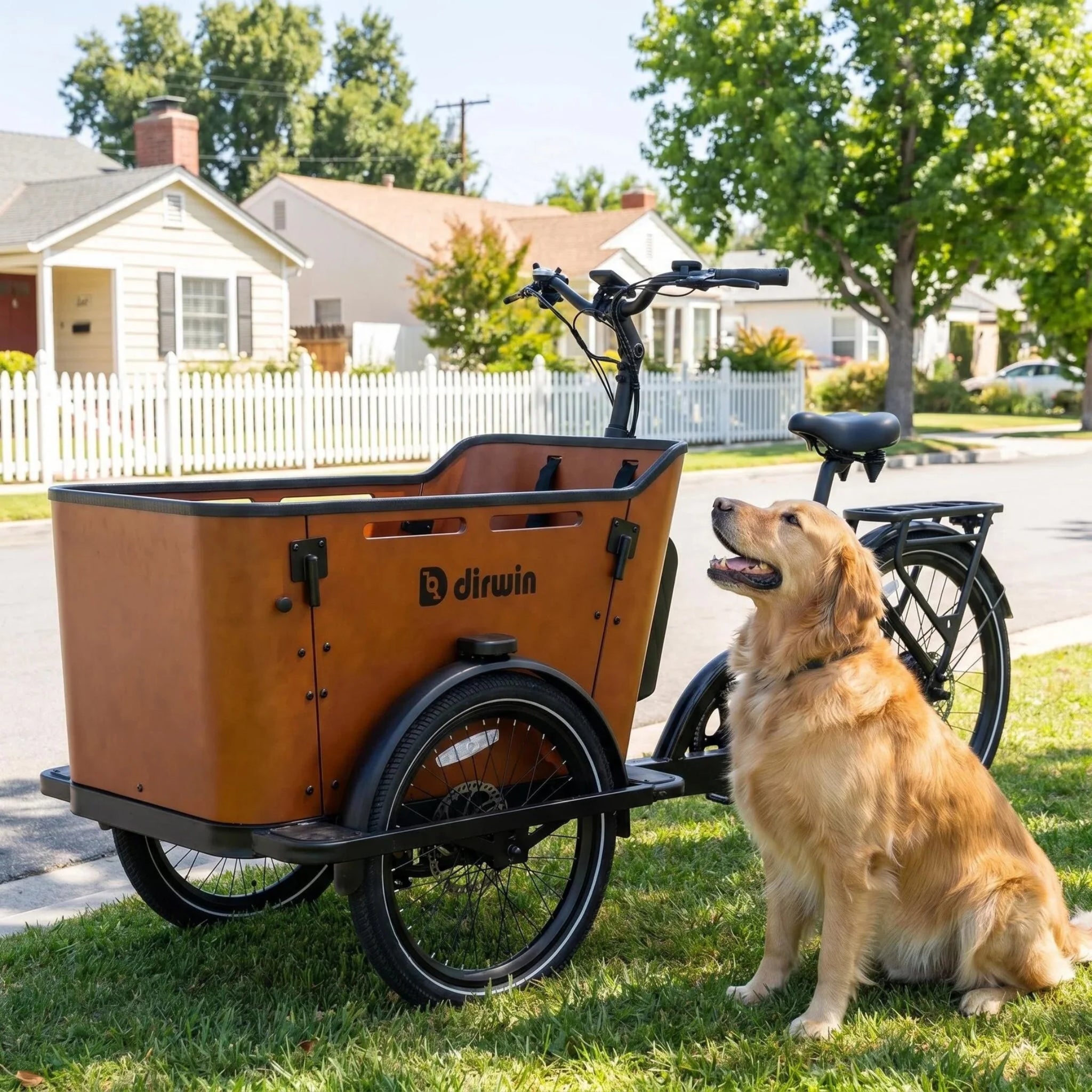
DIRWIN Caravan 2.0 Cargo E-Bike 48V 500W 15MPH
The DIRWIN Caravan 2.0 is a compact cargo bike built for tight city streets and last-mile errands. Its 500W motor and 15MPH top speed keep it within Class 1 territory in most U.S. jurisdictions. A good fit for urban riders who need cargo capacity without a full-size longtail footprint. UL 2271-certified.
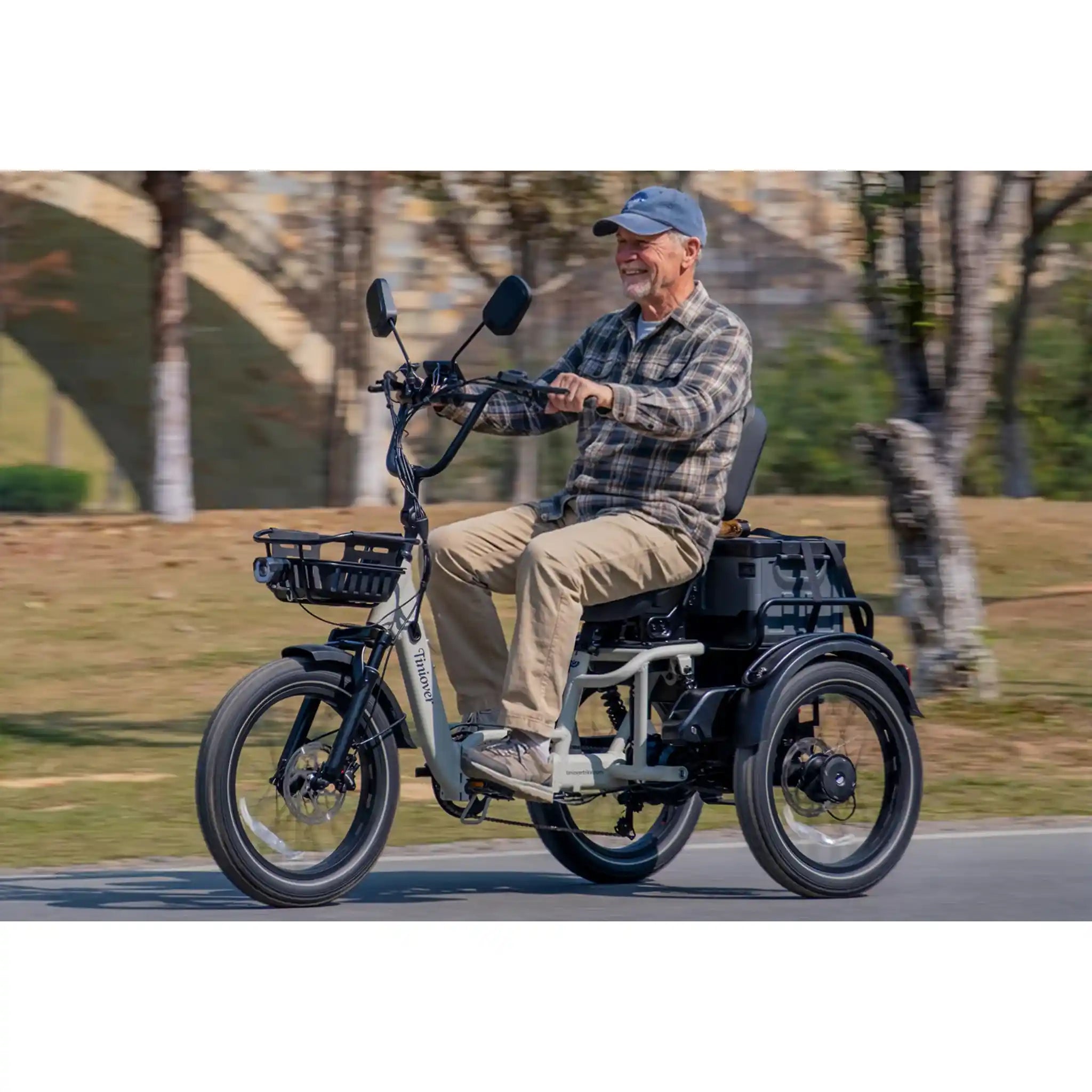
Tiniover River Semi-Recumbent Full Suspension Electric Trike
The Tiniover River electric trike features a powerful 750W motor and can reach speeds of up to 26MPH, making it one of the most capable trikes in its class. The full specifications include a durable frame designed for mixed terrain and efficient utility trips. Certifications: UL 2271, UN38.3 and MSDS
Typical price ranges and availability:
UL certification typically adds a modest premium to production cost, which often shows up in the retail price compared to uncertified alternatives
All models listed ship from U.S. warehouses through Quality Quest Bikes; expect standard delivery timelines of several business days for in-stock units
Start with your intended use, then work through the specs. Here’s a practical checklist:
Buyer checklist:
Intended use — commuting, cargo hauling, recreational riding, teen use, or delivery work each calls for a different motor size, frame type, and range
Range — battery capacity in Wh is the reliable number; a 500Wh pack typically delivers a practical real-world range that varies based on load and terrain
Motor power — 500W rated suits flat urban use; 750W handles hills and cargo loads more comfortably
Removable vs. integrated battery — removable batteries let you charge indoors and replace the pack when capacity degrades; integrated packs are cleaner but harder to service
Charger compatibility — confirm the charger is included and matches the battery voltage; mismatched chargers are a leading cause of battery fires
Battery Management System (BMS) — ask whether the BMS includes overcharge protection, temperature monitoring, and short-circuit cutoff
Warranty terms — look for at least a 1-year frame warranty and a separate battery warranty; ask specifically about battery-cell replacement policy
Red flags to watch for:
“Tested to UL standards” or “UL compliant” language without a COA or file number
A frame sticker with a UL-style mark but no certifier name printed on it
The certifying lab name on the sticker doesn’t match the COA document
Seller refuses or delays providing a certificate when asked directly
Realistic pricing expectations:
Expect to pay a modest premium for a genuinely certified model. Shipping is typically included for U.S. orders through Quality Quest Bikes. If you need a spare battery, budget an additional $150–$400 depending on capacity. Import fees generally don’t apply to in-stock U.S.-warehouse units, but if you’re ordering a model that ships directly from overseas, confirm customs status with the seller. Check your state’s e-bike regulations before purchase, since class and speed limits affect where you can legally ride.
The difference between these two standards is the scope of what gets tested, and it’s the most important distinction a buyer can make.
UL 2849 is a system-level standard. It tests the entire electrical powertrain as an integrated unit: battery, motor, controller, wiring harness, and charger together. UL Standards & Engagement explains that tests include electrical short-circuit scenarios, mechanical shock, vibration, water exposure, overcharge conditions, and continuous thermal monitoring. A device fails if any test produces fire, rupture, or electrolyte leakage. That’s the standard you want for a bike you ride daily.
UL 2271 covers the battery pack only. A bike can carry a UL 2271-certified battery and still have an uncertified motor controller, wiring, or charger. Battery-only certification is better than nothing, but it doesn’t validate the full electrical system the way UL 2849 does.
Intertek’s UL 2849 certification overview breaks the process into distinct testing areas: electrical safety, battery abuse tests, mechanical tests, environmental tests, charging-system tests, labeling and documentation review, and connectivity testing when applicable. Each area must pass independently before the certificate is issued.
What passing those tests means for you as a rider:
The battery won’t enter thermal runaway under the abuse conditions the lab simulated (overcharge, short-circuit, mechanical impact)
The charging system is validated to cut off before dangerous overcharge occurs
The motor controller and wiring are tested as part of the same system, not in isolation
Water-exposure testing means the electrical system has a defined level of protection against rain and splashing
Step-by-step verification checklist:
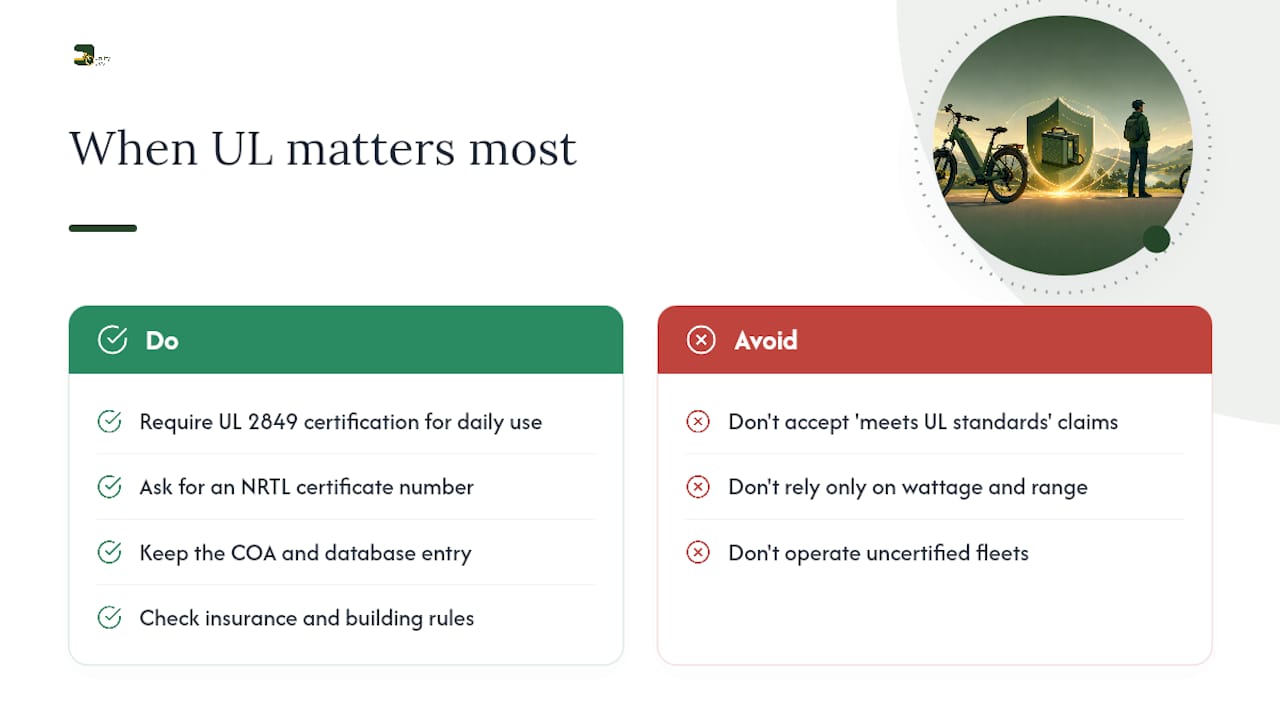
Step 1: Find the certification mark on the frame, battery pack, and charger. It should name the certifying NRTL, not just display a generic UL-style logo.
Step 2: Ask the seller for the certificate file number and a digital copy of the COA.
Step 3: Confirm the certifier is an OSHA-recognized NRTL. Accepted labs include UL Solutions, Intertek, MET Labs, and a handful of others on the OSHA NRTL list.
Step 4: Search the certifier’s online database using the file number to confirm the certificate is active and covers the specific model you’re buying.
Step 5: Confirm whether the certificate covers the full system (UL 2849) or battery only (UL 2271), and whether your specific model variant (color, battery size) is included in the certificate scope.
The CPSC has publicly called on manufacturers to comply with safety standards for battery-powered products, and Consumer Reports has reinforced that recommendation from the buyer’s side. The NFPA’s e-bike safety guidance ties lithium-ion battery risks directly to real-world fire incidents, and the ESFI’s lithium-ion battery safety resource adds practical charging and storage advice that applies regardless of certification status.
💡 Statistic callout: UL 2849 testing will fail a device if there is any indication of fire, rupture, or electrolyte leakage during abuse testing. That’s a zero-tolerance threshold, not a pass/fail curve.
Most buyers focus on motor wattage and range. Those specs matter, but they don’t tell you whether the electrical system was engineered to fail safely under stress. A battery that passes UL 2849 abuse testing has been deliberately overcharged, short-circuited, dropped, vibrated, and soaked, and it survived all of that without catching fire. An uncertified battery has no independent record of surviving any of it.
For daily urban commuters and cargo riders, that gap is meaningful. You’re charging this bike indoors, often overnight, often near other belongings. For fleet operators, the liability exposure of an uncertified fleet is a separate problem entirely. Teen riders and seniors on trikes represent use cases where a stable, predictable electrical system isn’t optional.
Occasional recreational riders on low-traffic trails have more flexibility. If you ride a few times a month on open terrain and store the bike in a detached garage, the risk profile is different. But for anyone whose e-bike is a daily transportation tool, UL certification should be a purchase requirement, not a nice-to-have.
At Quality Quest Bikes, you don’t have to guess whether a model is certified. You can contact the team directly if you have any questions about the UL certification.
Here are a few strong starting points from the current catalog:
FIIDO T2 Longtail Cargo E-bike — 750W cargo platform for family trips and commuting; ask for the UL certificate before checkout
FUCARE Libra Full Suspension Cargo Bike — 960Wh battery for longer hauls and heavier loads; full suspension for real-world comfort
All models ship from U.S. warehouses.
Save these links. They’re the primary references for UL certification, battery safety, and consumer protection guidance in the U.S.
How UL 2849 Addresses the Risk of Electrical Shock and Fire from E-Bikes - UL Standards & Engagement
Electric bike makers must comply with safety standards - Consumer Reports



You deserve quality products at fair prices. Period.
Which is why we offer no sales tax and price matching
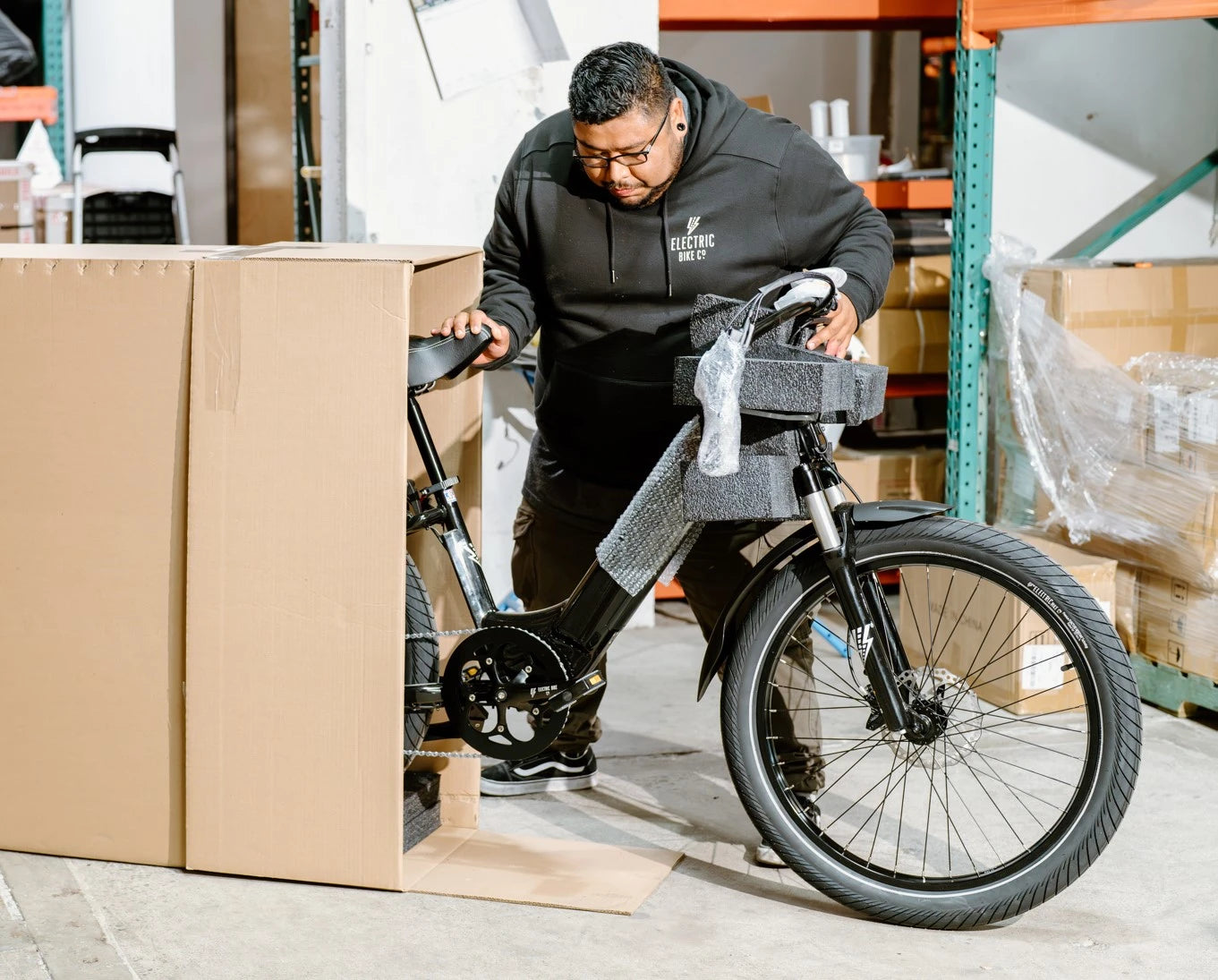
Orders include free shipping and are dispatched within 1 -2 business days.
Exceptions apply.

We want you to be enthusiastically satisfied with your order, have any questions?
Your support keeps our wheels rolling!
We’re more than just a store — we’re part of a growing local community of utility bike and trike enthusiasts who are passionate about creating positive change.
Subscribe and be the first to learn about our news and promotions

Your cart is empty